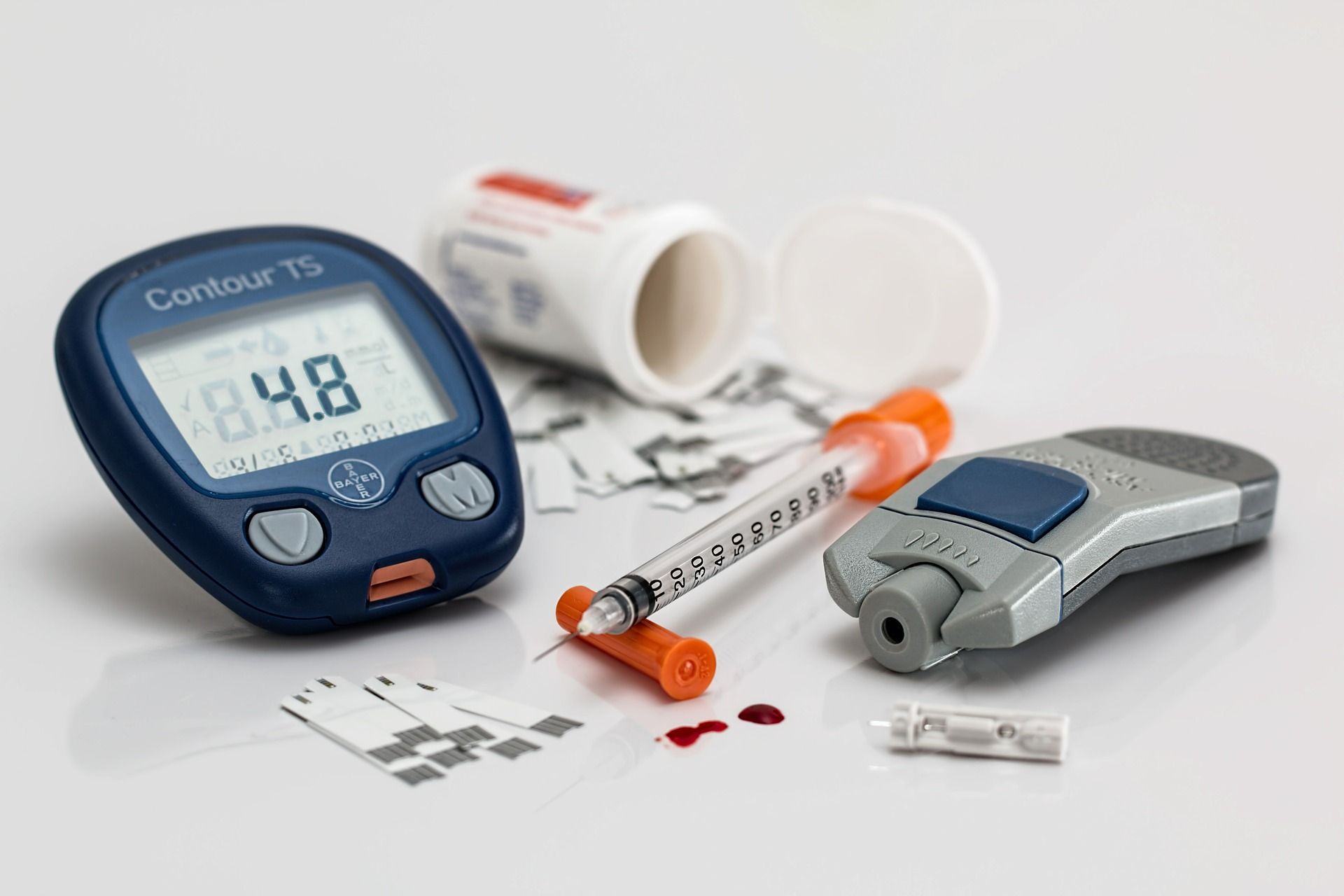
, with more than three million canadians, or nine percent of the population, living with the disease in 2014.
we also have one of the highest rates of obesity among oecd countries, weighing in fourth behind the u.s., mexico and new zealand, and ahead of the u.k.
and as obesity rates in children rise, a growing number are developing type 2 diabetes, a disease once rarely seen in children. formerly known as “adult onset” diabetes, type 2 diabetes, which accounts for roughly 90 per cent of all diabetes, is now being diagnosed in children as young as eight.
it’s not clear why, but the story might begin in the womb, and with a youngish branch of science known as epigenetics, which looks at how the environment, including a mother’s uterus, can cause certain genes to switch on or off, affecting a person’s risk for illnesses later in life.
the science dates back to the dutch hunger winter in 1944-45 in the netherlands, then under german occupation. women who conceived during the famine gave birth to babies that, six decades later, had higher rates of obesity, diabetes and other chronic health problems compared to people conceived before or after the famine.
studies on their dna would later show that systems regulating the hunger winter babies’ growth genes were altered. the feeling is that a stressor in the parental generation makes the fetus more vulnerable. a stressor like under nutrition — or over nutrition — may cause specific epigenetic changes to the fetus’s genome, making the baby more vulnerable to diseases like diabetes.


 6 minute read