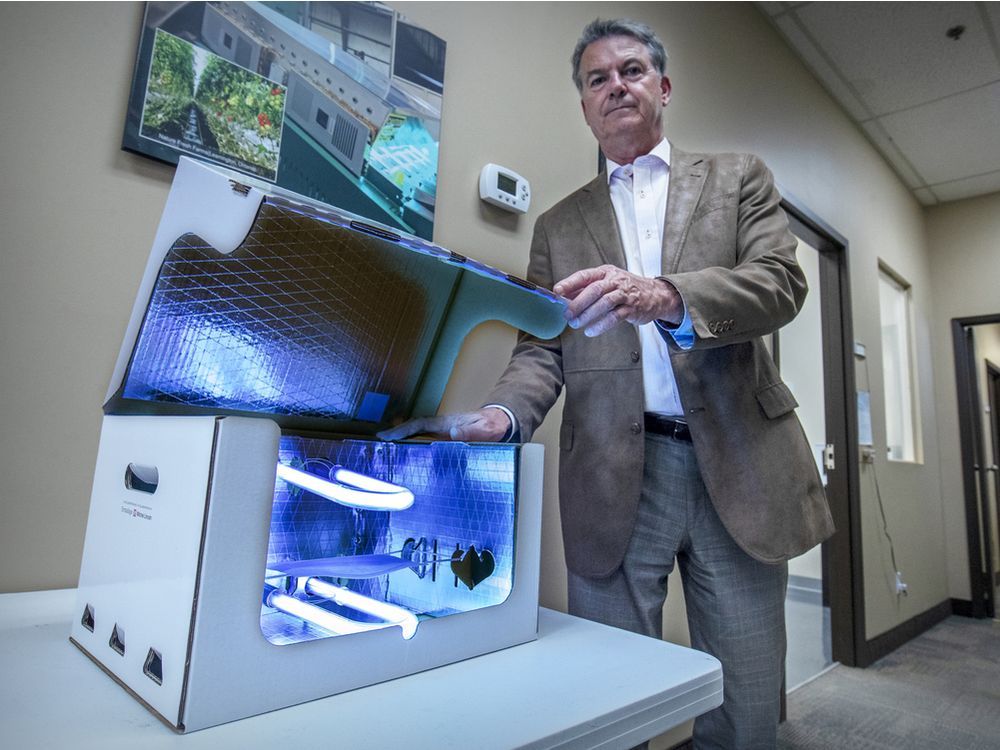
health canada recommends that anyone who has used these lights on their skin and has concerns should speak to a doctor.
uv lights also need to be
of a high-enough strength to kill pathogens. if the device doesn’t have enough power, if the bulb is starting to burn out or if the device isn’t focused on the area for a long enough period of time it won’t be effective. simply flashing a wand around the room or across some groceries won’t get the desired results.
not all uv lights are created equal
light is measured on a spectrum, with visible light at 380 to 740 nm. the wavelengths of ultraviolet light are shorter than this, from 100 to 380 nm, which gives it more energy.
in the uv spectrum, uva is the longest wavelengths, from 320 to 400 nanometers (nm) and is known to cause some cell damage and indirect dna damage. this cell damage can cause wrinkles and sunspots and may have an indirect effect on developing some forms of skin cancer. uvb is more intense than uva, and can cause burns, eye damage and can also damage protein and dna in cells. uvb radiation from the sun is what causes sunburns.
uvc, also known as germicidal uv (200 to 280 nm), is even more potent and can severely damage proteins and dna in cells. if a human is exposed to concentrated uvc light for even a few seconds, they can come away with burns and eye damage. uvc lights are used in hospitals and labs to sterilize equipment.


 3 minute read