advertisement

survey says canadians aren't flossing enough—putting heart and brain health at risk

oral health is not just about brushing to have a brighter, whiter smile, there’s a significant health impact—one that canadians don’t really know that much about.

results of a leger survey showed that about one-third of canadians floss on a daily basis, while the majority “forget” and almost a third consider flossing “unimportant” and a “time constraint.” getty images
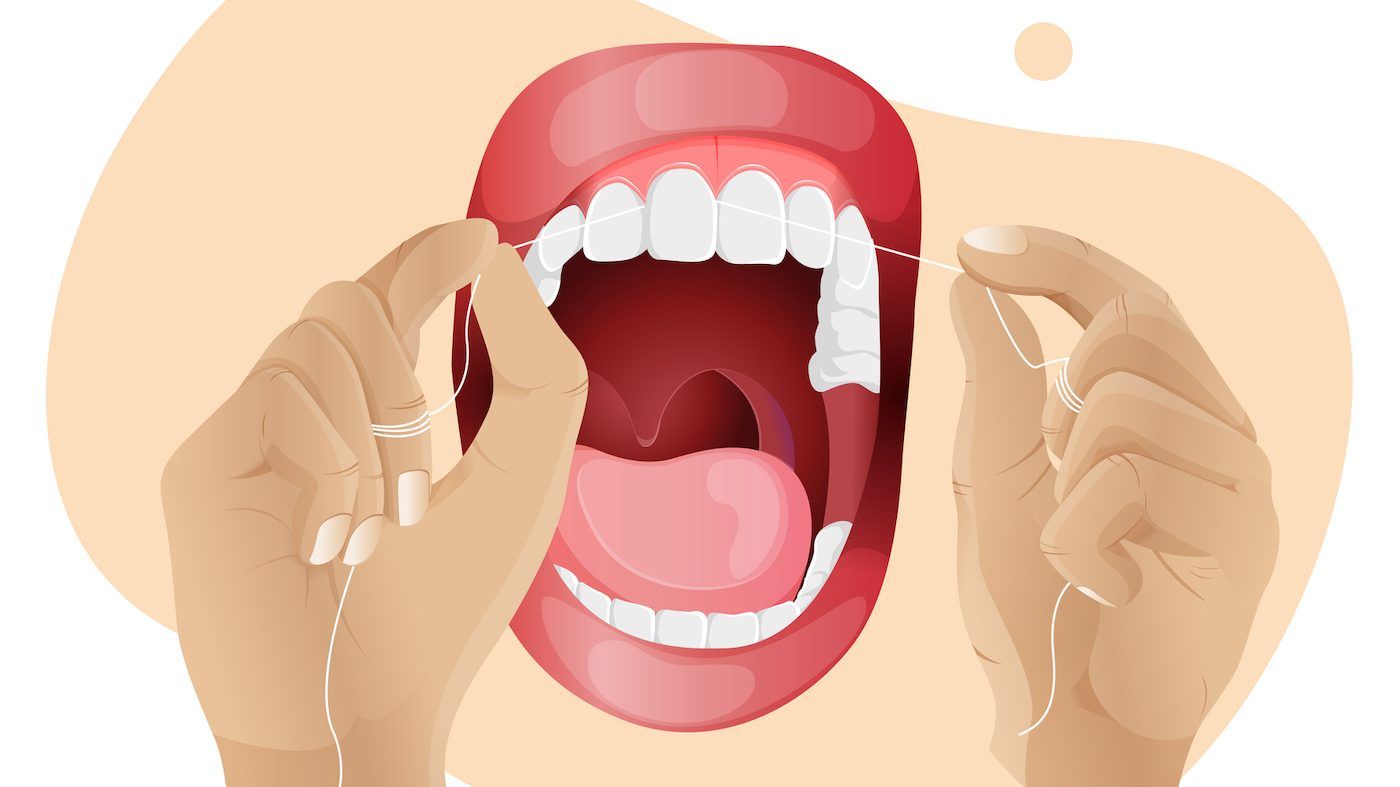
flossing could change your life if you do it regularly.
this may come as a surprise for people (like me) who cringe at running string through their teeth—even though it’s advised by practitioners at every dental checkup because diligent brushing is just not enough for optimal oral care. and, true, it’s not as arduous as having to do kettlebell reps every morning and night, but it’s still a chore.
having a conversation with bryce wylde, a leading alternative health expert and author based in toronto, is, well, jaw-dropping in this regard.
“many of these chronic issues we face as canadians, from memory to even mood, cognitive decline and heart disease, actually start in the mouth,” he says. “optimal oral health can delay the day you die.”
how is that possible?

mouth microbiome is where bad bacteria can thrive

the mouth has its own bacterial ecosystem, much like the gut microbiome, with good and bad bacteria, wylde explains. the problem is that microscopic bad bacteria and inflammatory molecules can get into your gums and then invade your bloodstream, circulating throughout your body causing inflammation. leaving bits of food stuck between your teeth (where brushing can’t get them) ups the odds of things getting worse. “where does blood go? it goes to the heart, the arteries, the brain and everywhere.” as mounting research recognizes, inflammation is the underlying thread of nearly every degenerative disease.
story continues below

advertisement

the risk of cardiovascular-related death is 4.3 times higher because of systemic bacterial spread and the inflammation that ensues, he adds. and a 2022 review of the science showed that poor periodontal health (gum inflammation that comes with gingivitis and periodontitis) increases the risk of cognitive decline by 23 per cent and dementia by 21 per cent.
wylde also says that 25 to 40 per cent of pre-term births are rooted in inflammation, and that inflammation starts in the mouth.
explaining the science further, he says chronic inflammation can cause blood clots, leading to heart disease and stroke, for example, and damage your immune system so you’re at risk for complications from infectious diseases or even cancer.

flossing is daily immunity training for longevity

so, flossing deserves serious attention: “let’s stop thinking of flossing as a chore. it’s not just dental hygiene. it’s like daily immune training,” he says, advising flossing twice a day, in the morning and in the evening before bed. do whatever works best, with traditional floss or flossing pics that wylde has conveniently stored so he can floss and pick at his teeth during a netflix show. (his wife is a dentist, so there’s a lot of oral hygiene adherence shared in the family.)
story continues below

advertisement

“when you take care of your gums, it could literally change the trajectory of your heart health and your brain health 20, 30 or 40 years from now.”
oral health is not just about brushing to have a brighter, whiter smile, there’s a significant health impact—one that canadians don’t really know that much about, according to a new national survey by leger research. just over half of canadians surveyed recognize that there is a connection between oral health and heart health, which shows a huge knowledge gap in the rest of the population.
results also showed that about one-third of canadians surveyed floss on a daily basis, while the majority “forget” and almost a third consider flossing “unimportant” and a “time constraint.” even more concerning is that only 16 per cent of 18 to 24 year olds surveyed floss. wylde is helping raise awareness about the survey for a campaign by gum oral care products.
“there’s a massive public health blind spot,” he says, adding that if young adults adopt the flossing habit now, they’ll benefit with long-term health gains.
“what we’re talking about here is something as serious as cardiovascular disease and this translocation of bacteria from the mouth to the cardiovascular system causing inflammation. but 47 per cent of canadians are blatantly unaware that gum inflammation and oral hygiene can silently contribute to brain and heart disease,” he says, referring to the survey.
story continues below

advertisement

also important, he points out that if your gums bleed when you floss or when you brush, that open wound allows harmful bacteria into the bloodstream. but here’s the kicker: your gums don’t even need to bleed for this to happen. even microscopic breaches in the gum lining which you can’t see allow pathogenic bacteria to slip into the bloodstream.
“you don’t see it or taste it, but your immune system does,” he says, emphasizing that oral hygiene and dedicated flossing is about “taking full ownership of your mouth as the gateway to this full body health.”

standard american diet is bad for mouth and gut health

but does our diet play a role as well?
“it is absolutely part and parcel to the sad diet that we have in north america. sad is an acronym that stands for standard american diet. we’re not americans, we’re canadians, but we’re north americans, and we eat sad as well.” sad includes high intakes of saturated fats, refined carbohydrates and processed foods, and low intakes of plant-based foods.
high-sugar foods in particular, allow bacteria to thrive. “if you’re eating acidic, sugary foods that leads to inflammation of the gum lining that’s going to open the floodgates for these bacteria even more.” having more whole foods and getting your sweet fix from the natural sugars in fruits helps boost your mouth and gut microbiomes.
story continues below

advertisement

the key takeaway message, though, is flossing does more than you think, he says summing it up:
“at least twice a day, get between those teeth just morning and evening. this is a 60 to 90-second program. the number one place that gum disease starts is between the teeth. it’s not just getting rid of the plaque on the surface and making your teeth white.”
karen hawthorne
karen hawthorne

karen hawthorne worked for six years as a digital editor for the national post, contributing articles on health, business, culture and travel for affiliated newspapers across canada. she now writes from her home office in toronto and takes breaks to bounce with her son on the backyard trampoline and walk bingo, her bull terrier.

read more about the author

comments

postmedia is committed to maintaining a lively but civil forum for discussion and encourage all readers to share their views on our articles. comments may take up to an hour for moderation before appearing on the site. we ask you to keep your comments relevant and respectful. we have enabled email notifications—you will now receive an email if you receive a reply to your comment, there is an update to a comment thread you follow or if a user you follow comments. visit our community guidelines for more information and details on how to adjust your email settings.