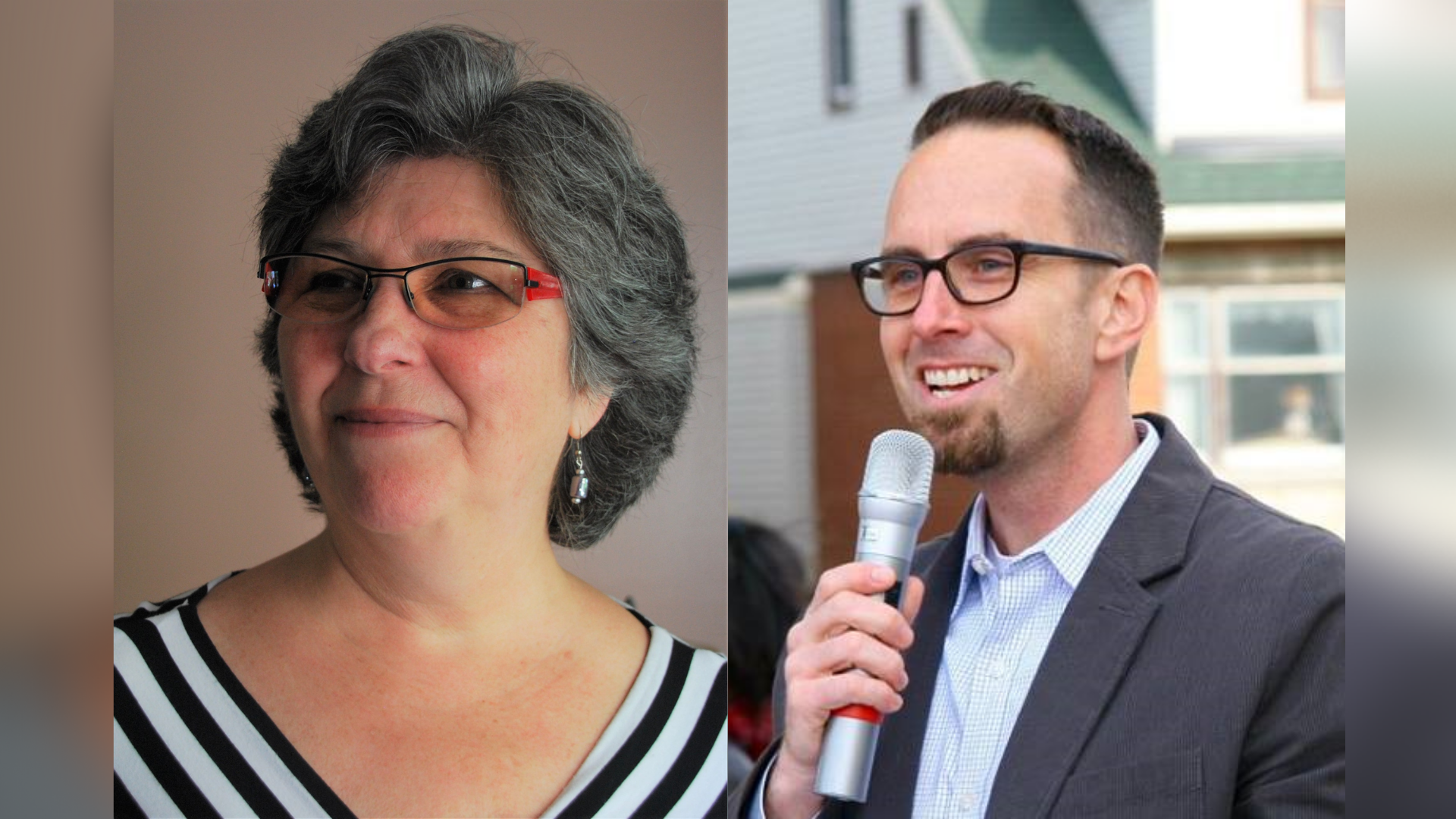
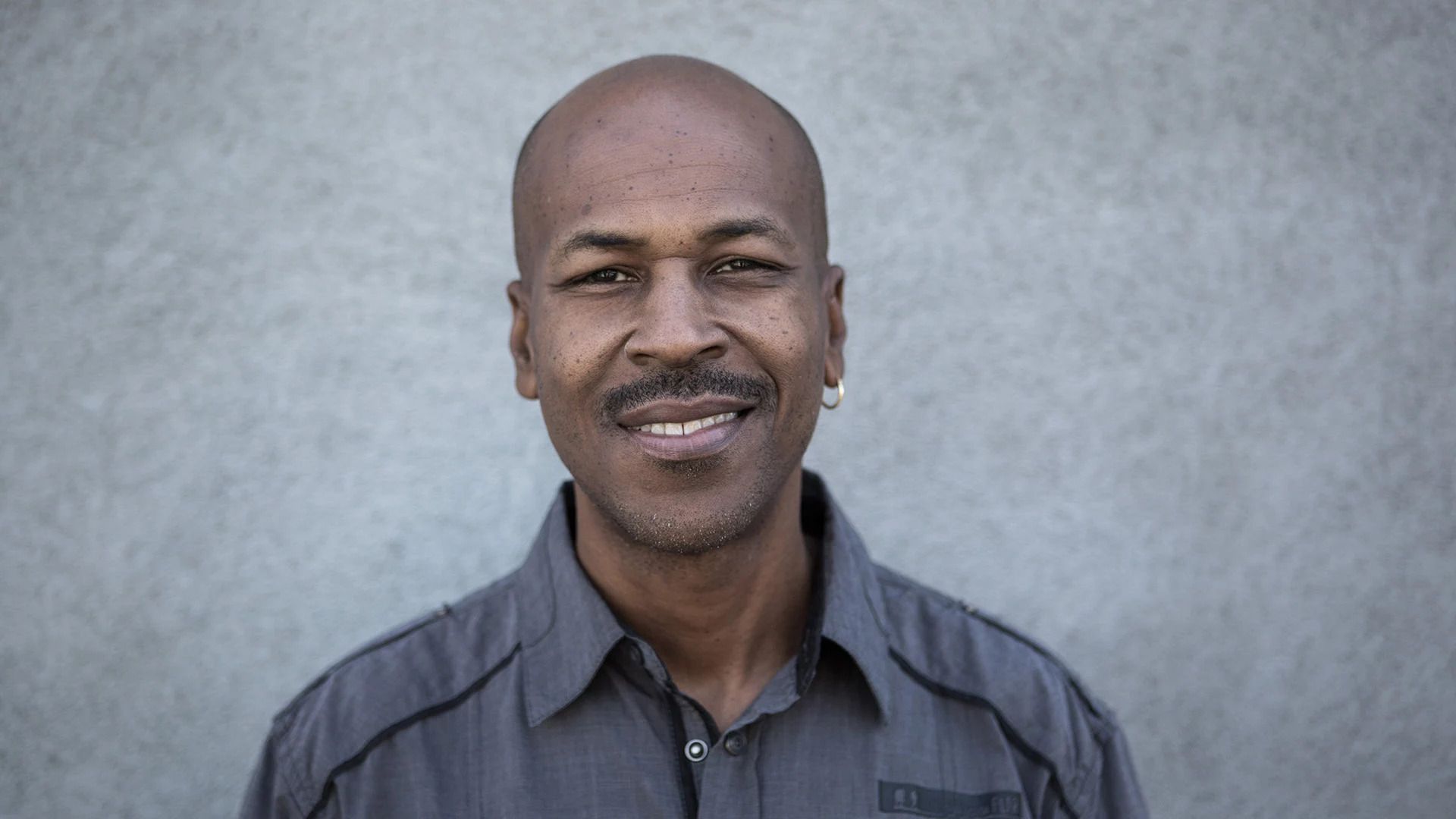
gary nichols feels his brother, alan, who received maid last year, should not have been eligible as his death was not foreseeable and because he had mental and physical challenges for which he should have received help instead.
ed kaiser
/
postmedia news
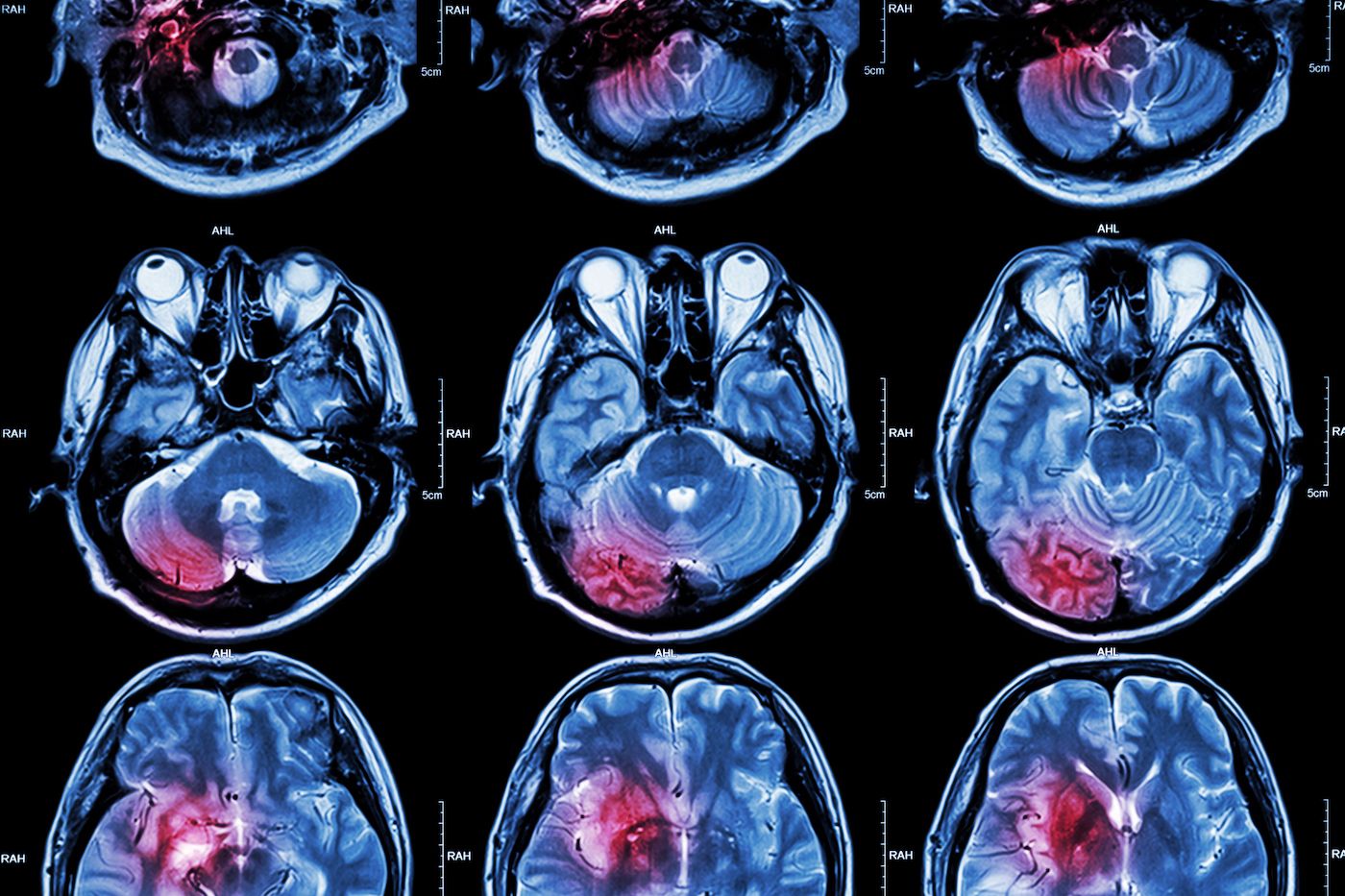
gary nichols has been advocating specific safeguards for people with mental illness, like his late brother, alan nichols, who ended his life with maid in july 2019 at the age of 62.gary said alan was a healthy child and an excellent hockey goalie until he was diagnosed with a brain tumour at the age of 12. after two brain surgeries, he suffered from hearing loss, loss of co-ordination, and the occasional seizure. he also suffered from severe depression, said gary.“after a while, he really started to withdraw from people. he’d go through cycles, wanting to die. but then, he would change his mind, find something good.”gary moved to edmonton in 2011, where he works as an accountant, while alan remained in their hometown of chilliwack.in 2019, when alan was admitted to a chilliwack hospital and his family was notified that he was scheduled to die by maid, gary said he was appalled. he received the news four days before his brother’s death.he believes alan should not have been approved under current legislation.“he didn’t have a terminal illness, his natural death was not foreseen,” gary said.to apply for maid, a person must make a written request and the application must be signed and dated by two independent witnesses. the applicant must then undergo medical assessments by two physicians or nurse practitioners to determine if they meet all maid criteria, including the capacity to make a competent decision. then there is a 10-day reflection period. at any point in the process, the applicant can change their mind.due to confidentiality laws, gary nichols has not seen alan’s maid paperwork or received answers from the chilliwack hospital about why his application was approved.gary believes alan’s family and his support system of neighbours should have been consulted before medical practitioners decided to approve him for maid.“of course, we would have tried to stop it because we know that probably in a week or two he’s going to change his mind,” gary said. “overall, they don’t know how to handle mental illness. it’s quite obvious. there’s such a high percentage of suicide with mental illness.”
maid and mental illness
when maid legislation was passed in 2016, the federal government asked the council of canadian academies to create expert panels to study the most ethically complex issues in the new law.one panel discussed maid for people whose only diagnosis was a mental disorder. according to the council report, released in 2018, experts could not agree on some fundamental issues, such as reasonable foreseeability of death in a person with a mental illness. some panel members felt it was incompatible to have the health-care system working to prevent suicide while also providing maid to applicants with mental illness. there was also debate over whether suicide would increase among the mentally ill if maid were not an option or whether suicide prevention strategies would be affected.sally thorne, a registered nurse and professor at ubc’s school of nursing, said maid for those suffering from mental illness is controversial.“in the despair of a depression, many people would be suicidal and yet with treatments they could be beyond that,” thorne said. “yet there are many people who would argue, having seen that situation, that withholding medical systems and dying is simply forcing those individuals to suicide. and, frankly, suicide is not a clean and neat option.”jessica magonet, a staff lawyer for the b.c. civil liberties association, said the organization believes maid should be available to individuals whose sole condition is mental illness.to exclude those who are mentally ill “could raise some pretty serious charter concerns,” said magonet. “people suffering from mental illness should not be excluded from maid based on the type of condition they have … mental illness can cause real serious suffering.”“that said, you have to have capacity to consent in order to qualify for maid. so, if your mental illness is interfering with your capacity to consent, under no circumstances should maid be administered to you. that’s why a doctor needs to be satisfied that you can make a lucid cogent decision about this.”support people with disabilities
as head of the canadian association of community living, krista carr promotes the rights of canadians with physical and intellectual disabilities.carr said she receives calls from canadians with physical and mental disabilities who say health providers have suggested maid is now available to them.carr said advocates for maid stress the importance of personal autonomy and the right to choose. however, people living in poverty and social isolation, and those without access to treatment, sometimes feel they don’t have a real choice, she said.“they can’t get assistance in living, but they can get quick assistance in dying,” carr said.health canada’s 2019 maid report states that of the 2,203 maid recipients in canada that year who required disability support — including rehabilitation services, income supplements, and assistive technologies or equipment — four per cent did not receive it. the report does not say whether that four per cent of people would have opted not to proceed with maid if they had received disability support.natasha fernandes, a psychiatry resident at the university of toronto and a member of the board of directors for canadian physicians for life, said she sees patients face long waiting times and experience difficulty getting treatment that might alleviate suffering.she gives the recent example of an elderly patient who suffered a serious fall injury, had a history of depression, and “made an offhand remark about wanting euthanasia,” which prompted a consultation with a maid team.“it’s so unfortunate that this lady can so quickly access ways to end her life. however, if she were to ask for help, the wait time is just ridiculous, like six to 12 months to see a psychiatrist as an outpatient. the wait time to go to rehab is at least a month,” fernandes said.“things come together so quickly when people want to end their life, and when they want help to survive, and to live a beautiful life, we kind of drag our feet.”open, robust conversation critical
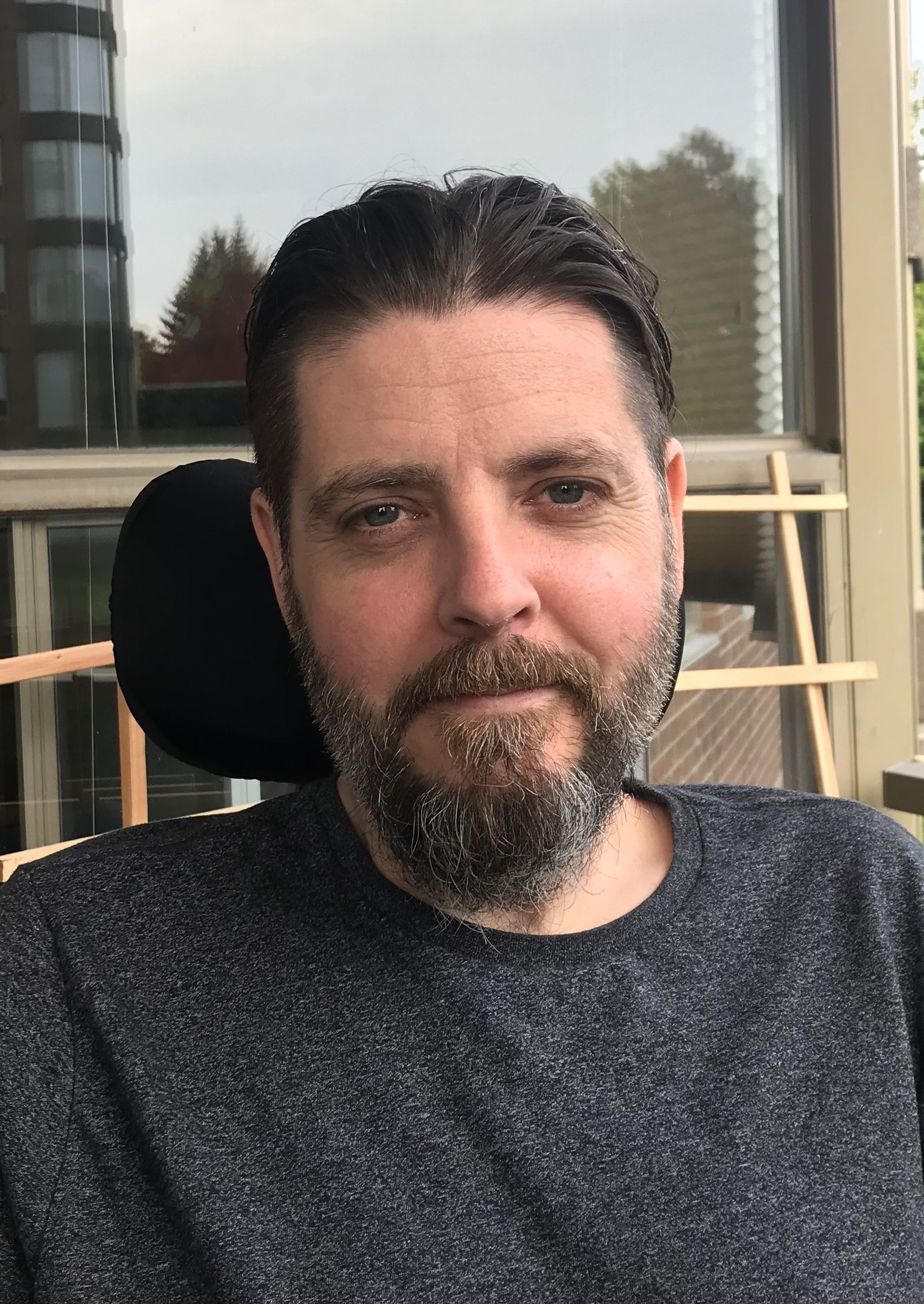
dr. jonathan reggler, a physician and board member for dying with dignity canada, said he believes bill c7 will result in better care for those who choose not to die.reggler, who is based in courtenay, said people who come to him for information on maid or for assessment also learn about care options available to them.“currently there is the requirement that there be a reasonably foreseeable natural death, so patients usually are quite close to death. but, nonetheless, what they are seeking is information very often.“my happiest results of an assessment are when a patient comes to me believing that they wish to have a medically assisted death, they learn about all the options, and they choose something else,” he said.he said patients should be helped to understand alternatives to maid “every step of the way.”he prefers assessments where family members are present because they provide a “clear view of the life that the patient has.”“i spend more time on a maid assessment than i spend on anything else i do in my work. they are very drawn out. and the reason for that is, what i do, ending a life, is enormous,” he said.reggler said he supports removing the foreseeable death requirement because, despite best efforts, the medical profession can’t relieve intolerable suffering for every patient.ultimately, ray chwartkowski and gary nichols want to see more support for people whose death is not foreseeable and for those who struggle with their mental health.chwartkowski believes canadians “would be much further ahead” if the government invested in free counselling services or better medical care rather than expanding medical assistance in dying. he does not support removing foreseeable death as a requirement.nichols said the bill doesn’t go far enough to lay out safeguards.patricia rodney, a registered nurse and associate professor for ubc’s school of nursing, has focused her research on end-of-life decision making and morality in health care.rodney said a “healthy, open and robust” conversation surrounding end-of-life care is very important.“i certainly respect autonomy around this, but i do worry that it’s not really an autonomous choice if people haven’t got good options,” she said.“we really need to ensure that we’ve got a robust health-care delivery system where people have options so that this doesn’t become a default.”— with files by lina chung kristen holliday is among the 2020 recipients of the langara college read-mercer journalism fellowship. this feature was produced through the fellowship.
by the numbers 5,631: assisted deaths (canada) in 2019
7,336: written requests for maid (canada) in 2019
1,280: assisted deaths (b.c.) in 2019
1,603: written requests for maid (b.c.) in 2019
source: first annual report on medical assistance in dying
share story
share this story
calls for more alternatives to medical assistance in dying