what’s it like to be related to one of the men who discovered insulin?
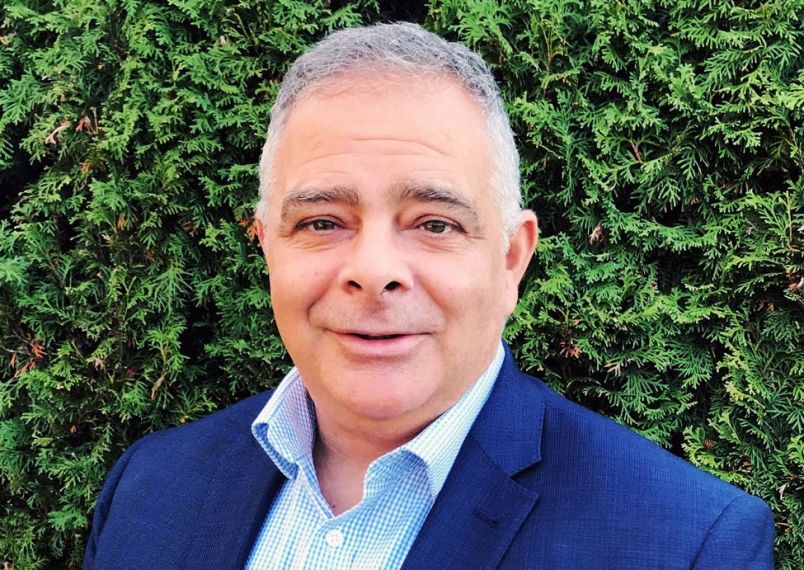
bob banting: i think it was in grade 4, the teacher was taking the attendance. he said my name, and then he looked up and said, as in banting and best? from that point on i realized that there was some importance to that. and then i developed an interest in the history and listened very carefully to the people who knew fred directly. i wasn’t old enough to have met fred, but my father certainly was, and all my aunts and uncles were.
mairi best: i grew up on a farm and i remember i was about five, and there was a tv special on the discovery of insulin. and my parents sat me down to watch this thing and they said, it’s a program about “grandpy.” we sat and watched it and i said, ‘did grandpy do all of that?’ and they said, ‘yes.’ that’s what it was like in my family.
melinda best: wonderful in the sense it’s amazing to know that my grandfather was involved in something so great. a real sense of pride and humbling, too. it’s been very moving meeting diabetics or someone with a relative with diabetes. i can see that they are moved to meet a family member directly connected to dr. charles best.
how do you feel about where we are in terms of diabetes treatment now? have we come that far since that day in 1921?
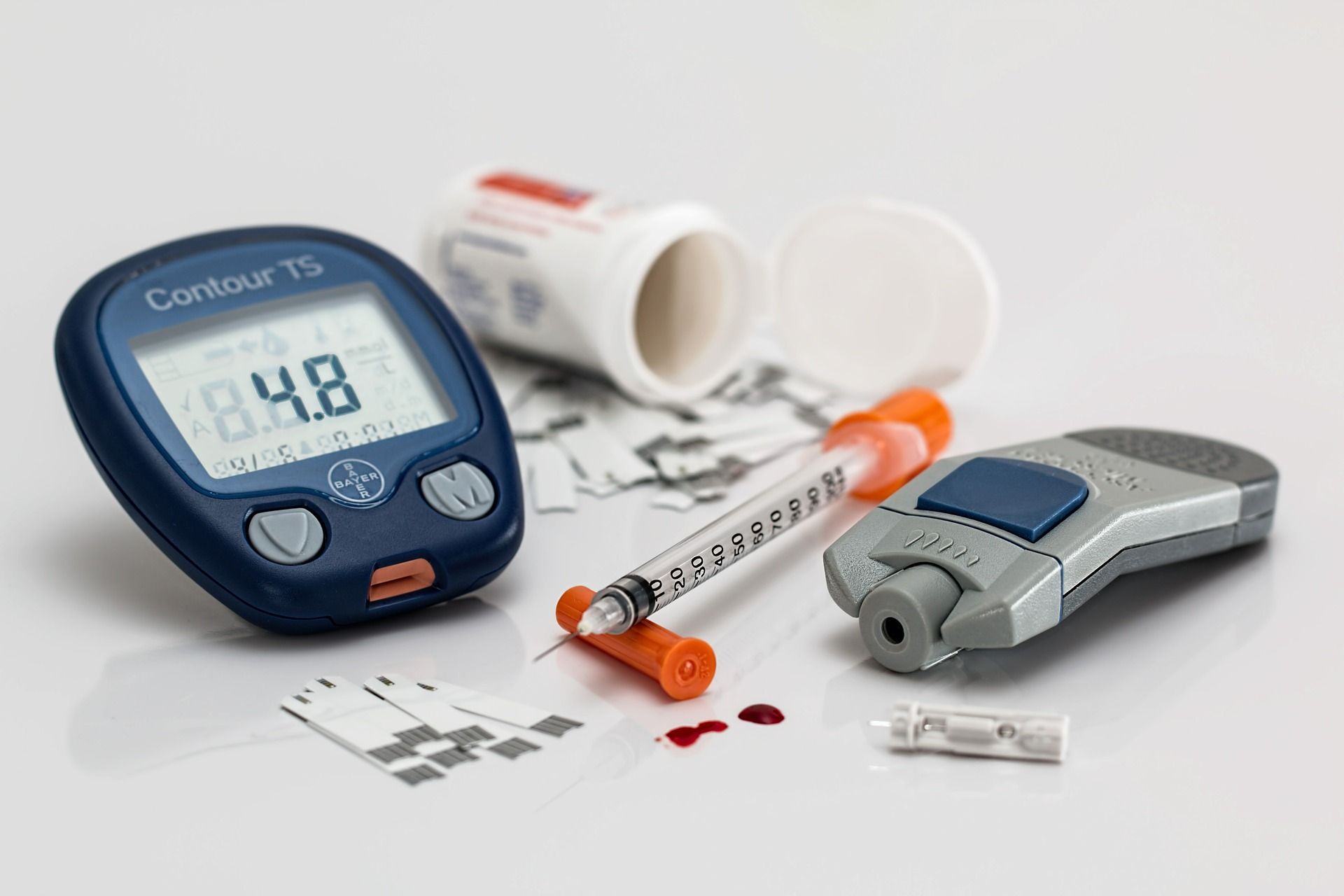
bob banting: absolutely. it’s amazing. my uncle angus, my father’s brother, he fell ill when he was 18 with diabetes. the needles were huge. so he made a very thin piece of metal that had a whole bunch of holes drilled holes in it. he would inject himself in a matrix that made sure that he never hit the same spot. then he had to file a needle with a special hone blade. for the first 30 years or so, insulin was all made from cat pancreas or beef pancreas extracted by grinding up pancreas. and then of course the changes were made where they could synthesize insulin, making it more suited to people.


 7 minute read